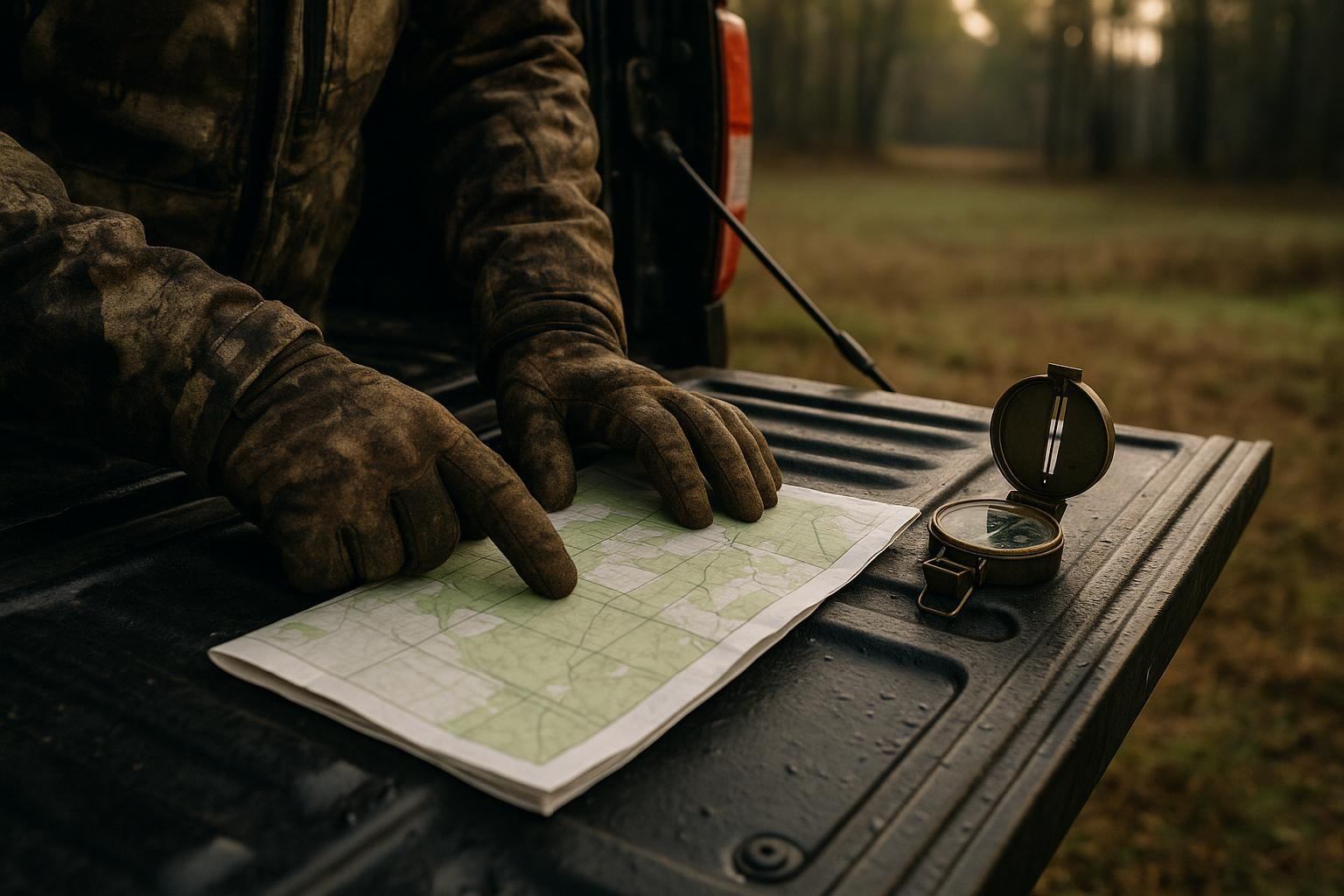
Navigating Changes During a Guided Hunt: A Approach, for Deer, Turkey or Quail
During guided hunts uncertainty can appear without warning. Weather that is bad birds that have flown away from the chosen area or a quick change in rules can all upset the plan. The problem is not about deciding if the hunt can go on; it is about deciding if it makes sense to keep going taking into account safety, legality, animal welfare and time limits. By preparing hunters can decide wisely without forcing the guide or chasing chances.
Understand the Shift Before Moving Forward
When disruptions happen the first step is to find the problem of feeling upset. Whether the trail is flooded the road is blocked the view is poor the heat is high or the legal shooting hours have changed each situation needs its answer. Thinking of these problems as a scheduling bother can cause choices.
Talk openly with the guide: What has changed? What options are still possible? When would the guide think of canceling or postponing? These talks help separate a loss of chance from worries about safety, access or legality.
Also it is essential to see if the target animals are still good to hunt under the conditions. Deer, turkey and quail react differently to changes in the environment. A backup plan must consider the current state of blindly thinking another animal will give the same excitement.
Verify Legalities Before Altering Plans
When thinking about changing the species or hunting spot remember that rules can be very different. Check again the dates for the hunt season required licenses, tagging or reporting duties, legal shooting hours, weapon limits and bag limits. Rules can change by state, county, area and animal. They may change after the plan talks.
Even though the guide can share practices of the land the responsibility for knowing the laws belongs to hunters. A quick call or online check with the state wildlife agency or official sources right before the hunt is very useful. Keep the confirmations on your phone. If possible bring paper copies of the permits or licenses to avoid confusion. Relying on screenshots or memories of rules can bring bad results.
Also watch closely for land borders and permissions. Permission for one spot may not cover lands or public places. If the hunt plan depends on an area that needs permissions or permits hunters must secure those before starting.
Communicate Clearly with Your Guide
To work together give the guide details instead of only preferences. Tell the guide about any limits how comfortable you are with walking or sitting still for a time and your experience level. Be clear about what you want to harvest. If you would rather wait of taking a bad substitute. Clear talk among the group before entering the land is also vital to set the expectations.
Give details about your gear-whether it is guns or bows the ammunition, the sights, the clothes and any mobility or medical needs. This talk is not to test skills; it is to give the guide the facts needed to set up the plan for your terrain, gear or personal health.
If hunting deer leases ask how changes in wind or access can affect tree stand places and how to get back. If hunting turkey check that the new plan lets you take a shot at expected distances. If hunting quail talk about pacing, dog handling, the heat and how to safely recover fallen quail. Every one of these topics should cause changes of vague promises.
Establish Your Personal Decision Criteria
Set a rule using a method: legality, safety, ethics and value. If the new plan does not satisfy any of the three hunters should leave. The last point-worthwhile-is personal. Should consider more than money or time already used.
In visibility, for example finding a target can be hard. Wet ground can cause falls flooding can stop hunters from retrieving any hurt animals. If a bird hunt needs a shot because the field changed these are good reasons to rethink or stop the plan.
If the only downside is diminished opportunity evaluate how uncertainty you are willing to endure. You might decide to shorten the hunt, scout for chances or switch to a legal species. Your guide should lay out the trade‑offs involved without guaranteeing success.
Conduct a Brief Check‑In Before Departure
Before you head out take a moment to verify:
– Has there been a change, in target species, location or hunting method?
– Are the necessary licenses, seasons, hours, tags and permissions confirmed?
– Are weather conditions, terrain and visibility to safety for both personnel and equipment?
– Can you ensure identification and take responsible shots under the current plan?
– Should an animal be wounded is there an anticipated recovery route with daylight?
– What will be the agreed stopping point if conditions decline?
Establishing a stopping point in collaboration with your guide and fellow hunters when spirits are high helps avoid letting exhaustion or emotional investment skew your judgment.
Let Conservation Considerations Influence Backup Plans
When faced with decisions it is essential to look beyond legality. Reflect on disruption the potential for over‑pressuring an area unnecessary vehicle use, poor recovery scenarios and how hastily made decisions may negatively impact other hunters or land‑users.
Your guide might suggest against proceeding due to animal concentration in areas damage to ground or suboptimal conditions for shooting. These facets make waiting a conservation choice while the season is open.
Inquire about how the property handles downed game, carcass disposal protocols, vehicle traffic and access to gates. Adhering to guidelines clearing away spent shells and responsibly reporting damaged habitats cultivates respect for the land. Secures future hunting opportunities.
Document Next Steps for Future Clarity
Should your trip undergo changes or be canceled make a note detailing the reason, the rules. Any adjustments needed before your venture. Documenting these points can prevent a reoccurrence of the issues during outings.
An altered hunt does not necessarily equate to an one. The true measure of success hinges, on whether the final decision adhered to standards heeded the guide's expertise and respected both wildlife and the land they inhabit. By holding to this philosophy you can ensure your planning remains adaptable yet responsible.